
Fleet · 4 min read · September 23, 2026
Keeping Box Trucks and Work Vans Out of the Transmission Shop
For a business, a truck in the shop means missed jobs. Here is how to keep fleet transmissions healthy and catch trouble early.
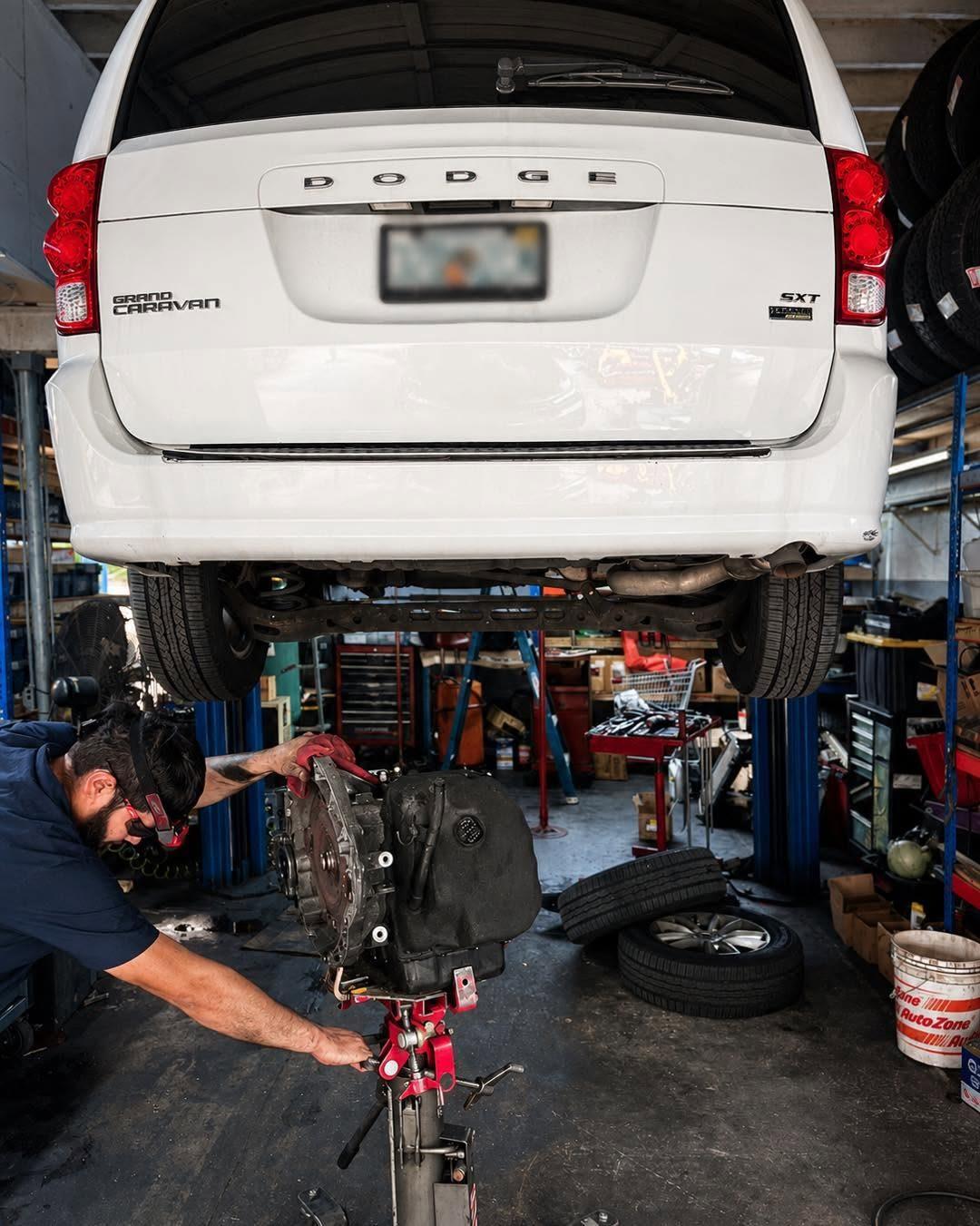
If you run delivery vans, box trucks or contractor pickups in Broward, you already know what a down truck costs. Missed routes, rescheduled jobs and a crew waiting around. Transmission problems are some of the most expensive and longest repairs a fleet faces, so preventing them pays off.
Most fleet transmission failures give warning signs first. With a simple plan, you can catch many problems while they are still small.
Why work vehicles are hard on transmissions
Work vehicles live the kind of life that owner's manuals call severe service. They carry heavy loads, stop and start all day, idle at job sites and sit in traffic on I-95 and I-595 in summer heat. Many also pull trailers. Delivery vans that stop dozens of times a day put their transmissions through far more engagements and heat cycles than a typical commuter car. Each of these adds heat, and heat is what breaks down transmission fluid and wears internal parts.
On top of that, several drivers may share one vehicle. Some drive gently and some do not. Problems can go unreported because nobody feels like the truck is theirs. A shared log or a simple group chat for reporting problems can help fix that.
Put fluid service on a schedule
The most useful single step is servicing transmission fluid on each vehicle's severe service schedule, not the normal one. Tie it to mileage or engine hours, whichever your vehicles track best, and log it. During each service, the shop should look at the fluid condition and what is in the pan, since that can reveal wear early. It also helps to have the transmission computer scanned during routine service, since some problems store a code before the driver ever feels anything.
- Use the exact fluid each manufacturer specifies.
- Check for leaks at every oil change.
- On vehicles with a dipstick, look at the fluid color and smell between services, not just the level.
- Keep radiators and transmission coolers clean and clear.
- Consider auxiliary transmission coolers on vehicles that tow or run heavy all day.
Train drivers to report early signs
Drivers are your best early warning system. Make it easy for them to report problems, and make it clear they will not get in trouble for it. A quick walk-around at the start of the day, looking under the truck for fresh drips, takes less than a minute. Ask drivers to speak up about:
- Slipping, flaring RPMs or late shifts
- A delay when shifting into Drive or Reverse
- Harsh or clunky shifts
- Shudder at steady highway speeds
- A burning smell or red spots where the truck parks
- Any warning light on the dash
Driving habits that save transmissions
- Come to a full stop before shifting between Drive and Reverse.
- Set the parking brake before shifting into Park, especially on a slope or loading ramp.
- Stay within the rated payload and towing capacity.
- Shift into Park during long waits instead of idling in Drive with a foot on the brake.
- Do not rock a stuck truck back and forth hard between gears.
Keep simple records
Records turn guesswork into a plan. Over time they show which vehicles, routes or drivers are hardest on transmissions, so you can plan repairs and replacements before a breakdown forces the decision. For each vehicle, track:
- Service dates and mileage or engine hours
- The fluid type used
- Any codes found during a scan
- Driver complaints and when they were reported
- Repairs done and any warranty paperwork
Plan repairs around your business
When a vehicle does need work, a clear diagnosis and a written estimate let you decide quickly whether to repair, rebuild or replace, based on the vehicle's value and how long you plan to keep it in service. It also helps to decide ahead of time which vehicles are worth a rebuild and which are near the end of their service life, so you are not making that call on the side of the road.
Downtown Transmissions works on box trucks, delivery vans and work trucks, offers preventive maintenance, and has direct billing available. The shop is open Monday to Friday, 8 AM to 5 PM, so dropping a vehicle off early in the day or on a slower day helps keep the rest of your fleet moving.
Want a fleet maintenance plan that fits your schedule? Call (954) 764-5060 to talk about your vehicles, or bring a truck to our Plantation shop on State Road 7 for a diagnostic.
Quick answers
How often should fleet vehicles get transmission service?
Follow each manufacturer's severe service schedule, since fleet use usually qualifies. Heavy loads, stop-and-go routes and towing all shorten fluid life. A shop can help you set intervals and keep a log for each vehicle.
Is it worth adding a transmission cooler to a work truck?
For vehicles that tow or run heavy loads all day in the heat, an auxiliary cooler is often a smart addition. It lowers fluid temperature, which helps the fluid and the transmission last longer. Ask whether it makes sense for your specific vehicles.
Is direct billing available for fleets?
Yes, direct billing is available. Call the shop to set it up and talk through how your company prefers to approve work.