
Repair Decisions · 4 min read · September 23, 2026
Rebuilt, Remanufactured or Used Transmission: How to Choose
If your transmission needs more than a small repair, you usually have three main choices. Here is what each one means and how to decide.
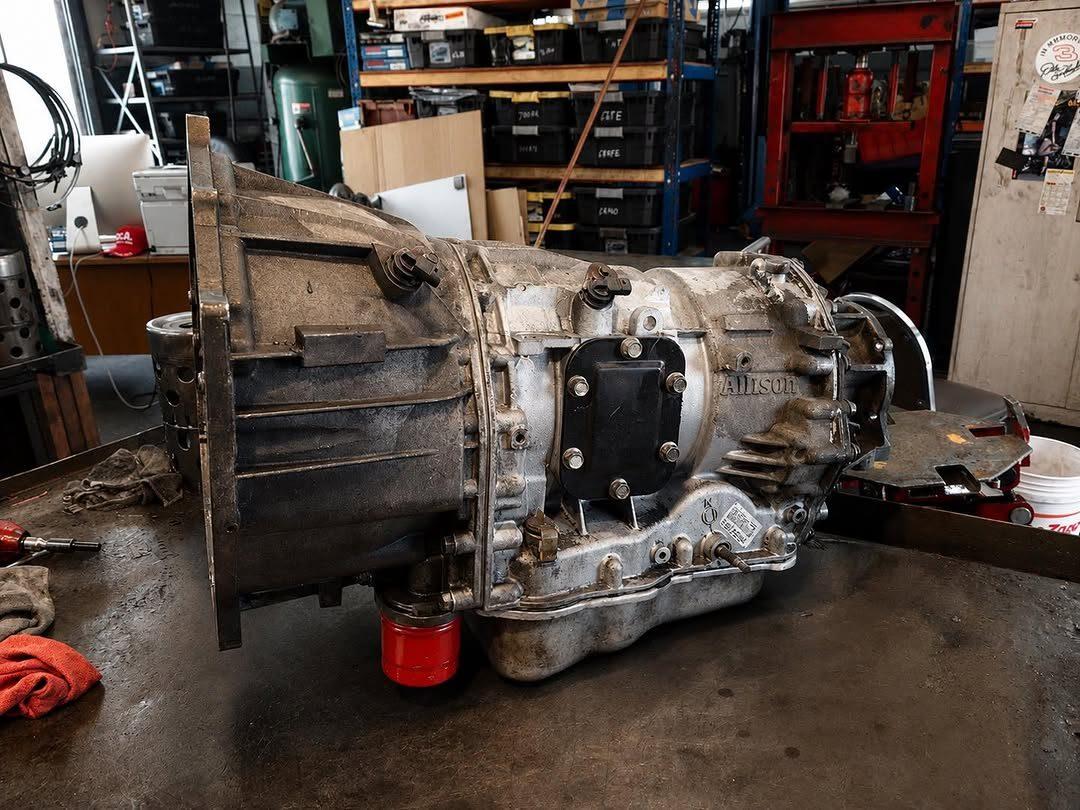
When a transmission has internal damage, most drivers hear three words thrown around: rebuilt, remanufactured and used. They are not the same thing, and the right choice depends on your car, your budget and how long you plan to keep it.
Before you choose any of them, make sure the transmission actually needs major work. Leaks, solenoids, sensors, wiring and software problems can all feel like a failing transmission. A proper diagnosis comes first.
It also helps to know what failed. A problem with a single part, like a valve body, solenoid or torque converter, can sometimes be fixed on its own without replacing the whole transmission. When the damage is spread through the unit, such as burnt clutches with metal debris throughout, that is when the options below come into play.
Rebuilt: your transmission, repaired in the shop
In a rebuild, the shop removes your transmission, takes it apart and inspects the parts. The soft parts are replaced, which means clutches, seals, gaskets and filters. Hard parts like drums, gears, shafts and the valve body are checked, and anything damaged is replaced. The torque converter is also addressed, since it can hold debris from the failure.
- Good for: vehicles where replacement units are hard to find or costly, and owners who want their original unit back.
- Keep in mind: the price can change if the teardown finds more damage than expected. A good shop calls you before going past the estimate.
- Warranty: rebuilds come with a written warranty. Ask about the warranty terms on your job.
Remanufactured: rebuilt to a set standard, off site
A remanufactured unit is rebuilt by a remanufacturing company, usually with set procedures and testing. Many remanufacturers also build in updated parts that address known weak spots for that model. Your old unit is often sent back as a core.
- Good for: common vehicles where a quality remanufactured unit is available, and drivers who want predictable timing.
- Keep in mind: availability and shipping time vary by model.
- Warranty: usually backed by the remanufacturer. Ask what it covers and how claims are handled.
Used: a unit from another vehicle
A used transmission comes out of another vehicle, usually from a salvage yard. It is often the lowest upfront cost, and sometimes it is the fastest option for an older car.
Ask where the unit came from, what mileage it had, and whether the shop will inspect it before installing it. A used unit for a common model is usually easy to find. For less common vehicles, it can be harder.
- Good for: older, lower-value vehicles, or when you only need the car to last a while longer.
- Keep in mind: you do not know how the donor vehicle was driven or maintained. Mileage records help, but they are not a guarantee.
- Warranty: often shorter and more limited than a rebuild or remanufactured unit. Ask before you buy.
Other options
Some owners choose a new OEM unit from the manufacturer, especially on newer vehicles. Others already bought a transmission themselves and just need it installed. Both are reasonable. If you supply your own unit, ask the shop how its warranty works on the labor, since the part warranty comes from wherever you bought it.
How to choose
- Get a real diagnosis and confirm that internal work is needed.
- Think about the car's value and overall condition. A major repair on a car with a failing engine or heavy rust may not make sense.
- Think about how long you will keep it. If you plan to drive it for years, a rebuild or remanufactured unit is usually the stronger choice.
- Ask about availability. Some units ship in days, others take much longer.
- Compare warranties on paper, not just prices.
- Ask what is included: fluid, cooler flush, torque converter, programming and a road test.
Many newer vehicles also need the transmission computer programmed, or a relearn done, after the swap. Make sure that is part of the plan and the estimate.
The honest answer is not always the biggest job
There is no single best choice for every car. A shop that always pushes a rebuild, or always pushes a used unit, is not looking at your situation. Downtown Transmissions offers all of these options and has served Broward County for more than 30 years. We will walk you through the tradeoffs on your specific car before you decide.
Want to talk through your options? Call (954) 764-5060 or book a diagnostic at our Plantation shop at 631 S State Rd 7. You will get a written estimate for each option that makes sense for your car.
Quick answers
Is a rebuilt transmission as good as a new one?
A properly rebuilt transmission can be very reliable because the wear parts are replaced and damaged parts are swapped out. Quality depends on the parts used and the work done. Ask what was replaced and get the warranty in writing.
Why is a used transmission cheaper?
You are buying a unit as it came out of another vehicle, with no rebuild work done. That lowers the price, but it also means an unknown history. It can be a smart choice for an older car, as long as you understand the warranty.
How long does a transmission replacement take?
It depends on the vehicle and how fast the unit or parts arrive. Some jobs are done in a few days, while others take longer if parts are back ordered. Your estimate should include a realistic timeline.