
Symptoms · 4 min read · September 23, 2026
Red Fluid Under Your Car? How to Tell If It Is the Transmission
A red or pink puddle often means a transmission leak, but not always. Here is how to figure out what is leaking and how serious it is.
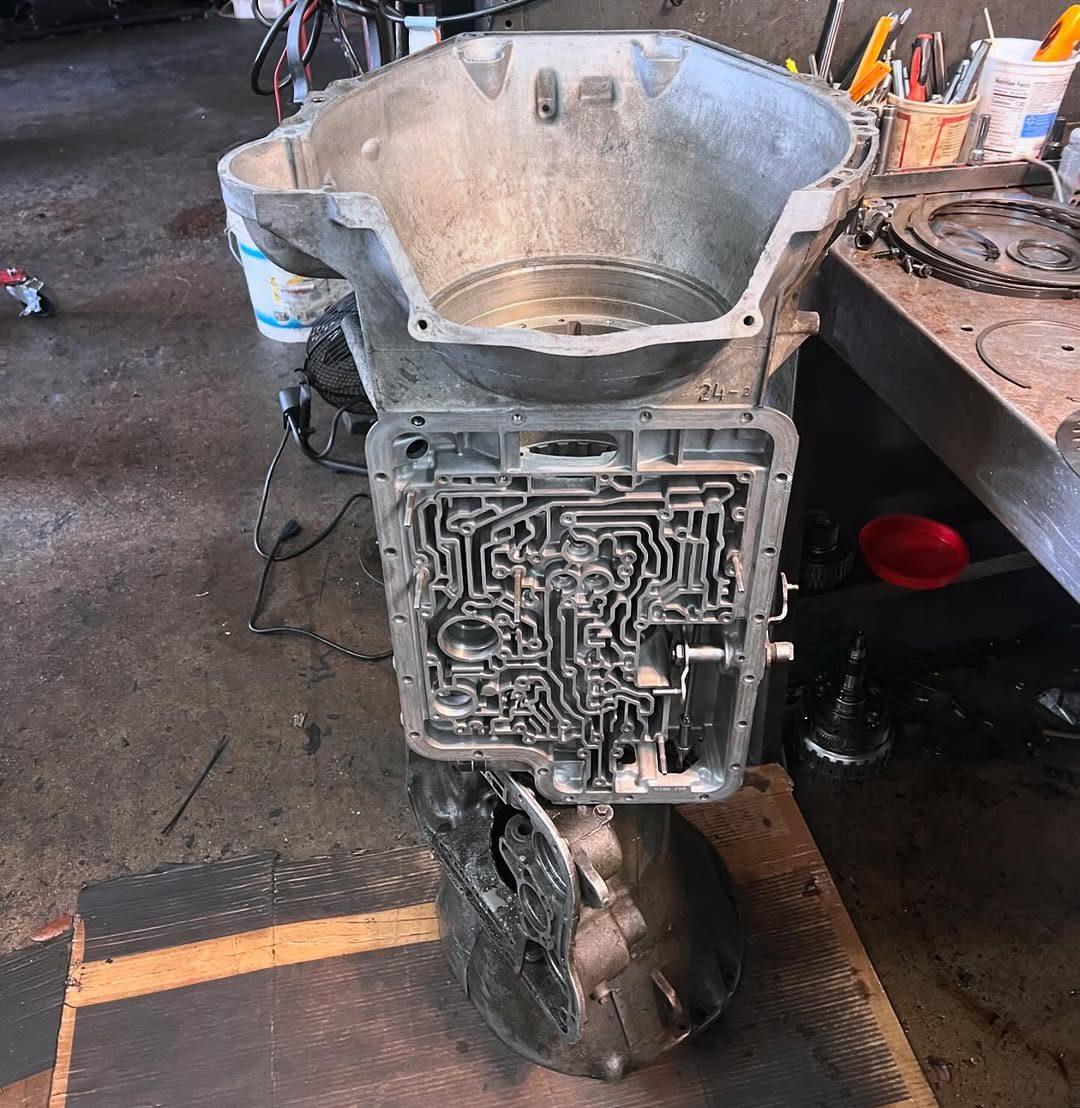
Finding a puddle under your car is never fun. If it is red or pink, the transmission is a likely suspect, but it is not the only one. A few quick checks can tell you a lot before you call anyone.
One thing first: clear water dripping near the front of the car on a hot day is almost always condensation from the AC. In South Florida, that is normal and not a leak. A puddle that shows up right after a car wash or a heavy rain may also just be water dripping off the underside.
Step one: collect a clean sample
Slide a piece of white cardboard or a few paper towels under the car where the drip is and leave it overnight. In the morning, look at the color, rub a drop between your fingers, smell it, and note where on the car it was dripping.
What the color and feel tell you
- Red or pink, oily and thin: likely automatic transmission fluid. Older fluid turns darker red or brown.
- Pink, red or orange, watery, with a sweet smell: likely coolant. Many cars use pink, red or orange coolant.
- Red or clear, oily, near the front by the engine: possibly power steering fluid. Some power steering systems use transmission fluid.
- Brown or black and slick: usually engine oil.
- Clear, like water, with no smell: usually AC condensation.
- Clear to yellowish or brown, slick, near a wheel: possibly brake fluid. A brake leak needs attention right away.
Where it drips matters
On most front-wheel drive cars, the transmission sits at the front next to the engine, so a leak shows up under the front half of the car. On rear-wheel drive trucks and SUVs, the transmission sits behind the engine, closer to the middle. A red drip near the radiator can be a transmission cooler line, since many cars send their transmission fluid through a cooler built into the radiator.
Also notice when it drips. Some leaks are worse while the engine is running and the fluid is under pressure. Others seep slowly all night while the car sits. Both details help a technician find the source faster.
Common transmission leak spots
- The pan gasket or pan bolts
- Cooler lines and fittings running to the radiator
- Axle seals where the drive axles enter the transmission
- The front seal between the engine and transmission
- The rear output shaft seal on rear-wheel drive vehicles
- Seals around the shifter shaft and sensors on the case
Many of these are fairly simple, affordable repairs. A leaking pan gasket or cooler line fitting is not a reason to panic. The real danger is ignoring the leak until the fluid gets low enough to damage the transmission.
Heat plays a part here too. Rubber seals and gaskets harden over years of South Florida heat, and a hardened seal is more likely to seep. On older cars, it is not unusual to find a slow seep from more than one spot.
What to do next
- Check the transmission fluid level if your car has a dipstick, following your owner's manual.
- If it is low, top it off only with the fluid type your manufacturer specifies, then get the leak looked at.
- Watch for changes in how the car shifts.
- Have the leak confirmed by a shop. Fluid can run along the underside of the car and drip far from where it started, so the source is not always right above the puddle.
A shop will clean the area, find the exact source, and sometimes add a dye to trace a slow leak. You should get a written estimate that explains what is leaking and what it takes to fix it before any work begins. If a quick fix like a gasket or a line solves it, that is good news, and a good shop will say so.
A note about stop-leak products: some claim to swell seals and stop leaks. They may slow a small seep on some vehicles, but they do not fix a cracked line, a damaged gasket or a loose fitting, and many manufacturers say to use only the specified fluid. Finding and fixing the actual leak is the better plan.
Seeing red spots in your driveway? Call Downtown Transmissions at (954) 764-5060 or stop by our Plantation shop at 631 S State Rd 7 to have the leak found and fixed.
Quick answers
Is it safe to drive with a transmission fluid leak?
A small seep is usually OK for a short time if you keep the level full and the car shifts normally. A steady drip, a large puddle or any slipping means you should stop and get it checked. Running low on fluid is one of the fastest ways to damage a transmission.
How do I tell transmission fluid from coolant?
Transmission fluid feels oily and has a petroleum smell. Coolant feels watery and often smells sweet. Both can be red or pink, so smell and feel are better clues than color alone.
Is a transmission leak expensive to fix?
Often it is not. Pan gaskets, cooler lines and many seals are routine repairs. The cost goes up when a leak is ignored and the transmission is damaged from running low.