
Symptoms · 4 min read · September 23, 2026
Transmission Slipping? Common Causes and What to Do
When the engine revs but the car does not speed up, your transmission may be slipping. Here is what usually causes it and what to do next.
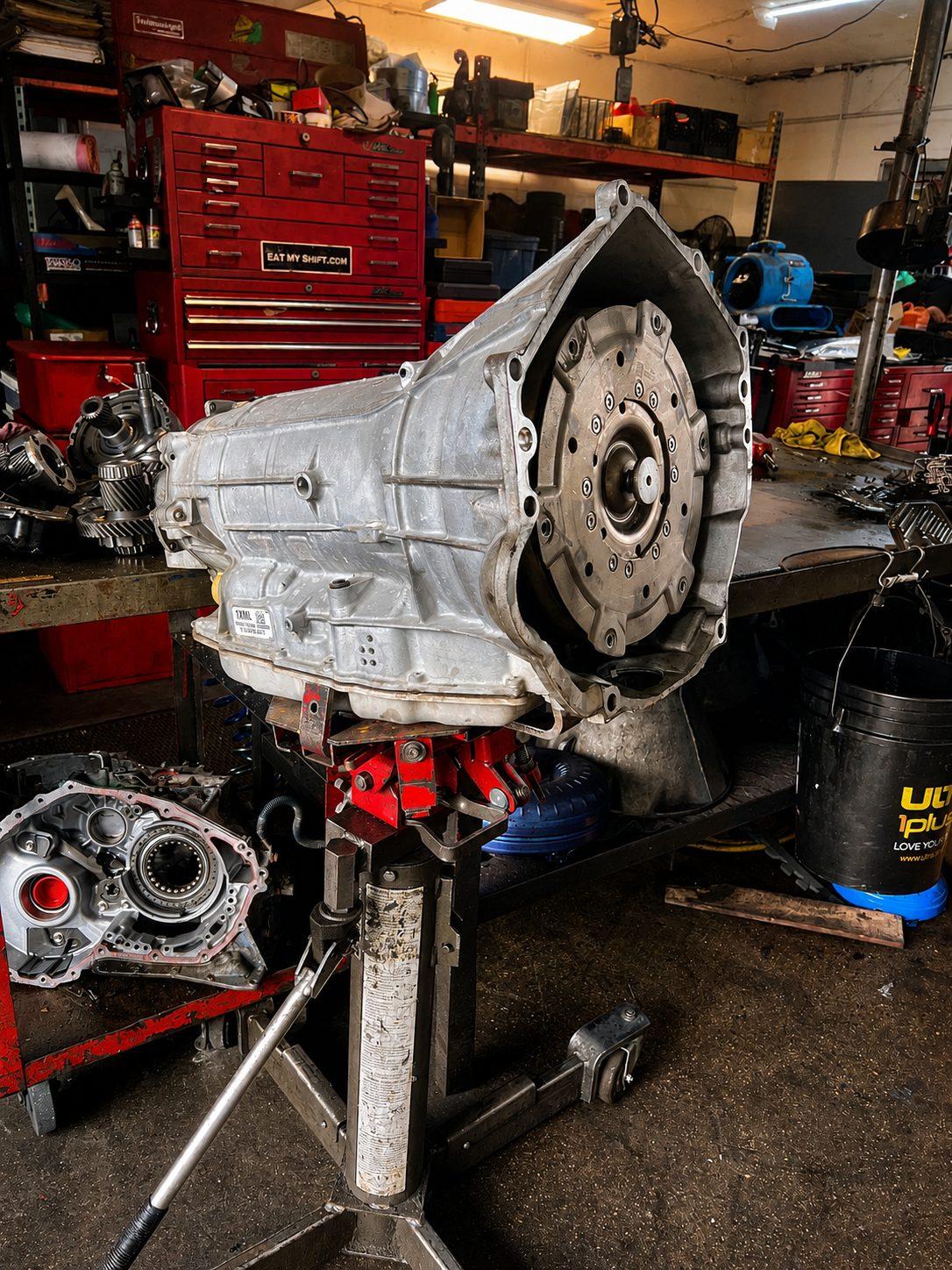
A slipping transmission is one of the most common reasons people call a transmission shop. You press the gas, the engine revs higher, but the car does not pick up speed the way it should. Sometimes it feels like the car slid into neutral for a second before it catches again.
Slipping is a symptom, not a diagnosis. The cause can be as simple as low fluid or as serious as worn parts inside the transmission. Catching it early often keeps the repair smaller.
What slipping feels like
Drivers describe it in different ways. Watch for any of these:
- The engine revs up but the car barely speeds up.
- A shift takes a long time, or the RPMs flare up between gears.
- The car suddenly drops out of gear while you are driving.
- It feels weak pulling away from a light or merging onto I-95.
- A burning smell after driving, especially in traffic.
- The check engine light or a transmission warning light comes on.
On an automatic, slipping often shows up first when the transmission is hot, like after a long crawl on I-595 at rush hour. On a manual, a slipping clutch usually shows up in higher gears when you press the gas hard.
The most common causes
Low or worn-out fluid
Automatic transmission fluid does several jobs at once. It cools, it lubricates, and it creates the hydraulic pressure that applies the clutches inside. If the level is low, there is not enough pressure to hold a gear firmly. If the fluid is old and burnt, it does not cool or protect the way it should. This is the first thing a shop should check, and sometimes it is the whole problem.
A leak
Transmission fluid is not supposed to get used up. If the level is low, it went somewhere. Common leak spots include the pan gasket, cooler lines, axle seals and the seals at the front and rear of the case. Fixing the leak and refilling with the correct fluid can be a fairly simple repair if the transmission was not damaged by running low.
Shift solenoids and the valve body
Modern automatics are controlled by a computer that uses electric solenoids to direct fluid through the valve body. A solenoid that sticks or fails electrically can cause harsh shifts, late shifts or slipping. These parts can often be replaced without rebuilding the whole transmission.
Worn clutches, bands or torque converter problems
Inside the transmission are clutch packs and, in some designs, bands that wear over time. Once the friction material is worn or burnt, the transmission cannot hold a gear under load. A failing torque converter can also cause shudder and slipping. Internal wear like this usually means a rebuild or a replacement unit.
A worn clutch on a manual
If you drive a stick shift, slipping usually comes from a worn clutch disc, oil on the clutch, or a hydraulic problem that keeps the clutch from fully engaging.
What you can check yourself
- Look under the car where you park for red or brown spots.
- If your car has a transmission dipstick, check the level and condition using the steps in your owner's manual. Procedures vary by vehicle, and many newer cars have no dipstick at all.
- Smell the fluid. A sharp burnt smell and dark brown color mean it has been overheated.
- Note when the slipping happens: cold or hot, which gear, or only when accelerating hard. This helps the technician a lot.
Do not just keep adding fluid and hope. If it keeps getting low, there is a leak that needs to be found. Use only the fluid type your manufacturer specifies. The wrong fluid can cause shifting problems on its own.
How a shop should handle it
A good shop starts with a diagnosis, not a guess. That means checking the fluid, scanning the transmission computer for stored codes, watching live data, and road testing the car. Some vehicles also have a manufacturer software update that addresses shifting complaints, and that is worth checking before anything bigger.
At Downtown Transmissions, you get a clear written estimate before any work starts, and nothing is done without your OK. If the fix is a leak and a fluid service, that is what we will tell you. If the transmission needs internal work, we will explain the options, including repair, rebuild or replacement.
Is a second opinion worth it?
Yes, if someone tells you that you need a whole transmission without explaining how they reached that answer. A reasonable shop can tell you what they checked and what they found. Getting a real diagnosis before paying for a big repair is always a smart move.
Noticing slipping around Fort Lauderdale or Plantation? Call (954) 764-5060 or bring the car to our Plantation shop on State Road 7 for a transmission diagnostic, Monday to Friday, 8 AM to 5 PM.
Quick answers
Can low transmission fluid cause slipping?
Yes. Low fluid is one of the most common causes. Without enough fluid, the transmission cannot build the pressure it needs to hold a gear. Fix the leak that caused it, not just the level.
Can a slipping transmission fix itself?
No. It may come and go, especially as the temperature changes, but the cause is still there. Slipping usually gets worse, and the heat it creates can damage other parts.
Does slipping always mean I need a rebuild?
No. Low fluid, a leak, a bad solenoid or a software issue can all cause slipping and cost far less than a rebuild. A proper diagnosis tells you which one you are dealing with.