
Maintenance · 4 min read · September 23, 2026
How South Florida Heat and Traffic Wear Out Transmission Fluid
Heat is the number one enemy of transmission fluid, and South Florida has plenty of it. Here is what that means for your car and your service schedule.
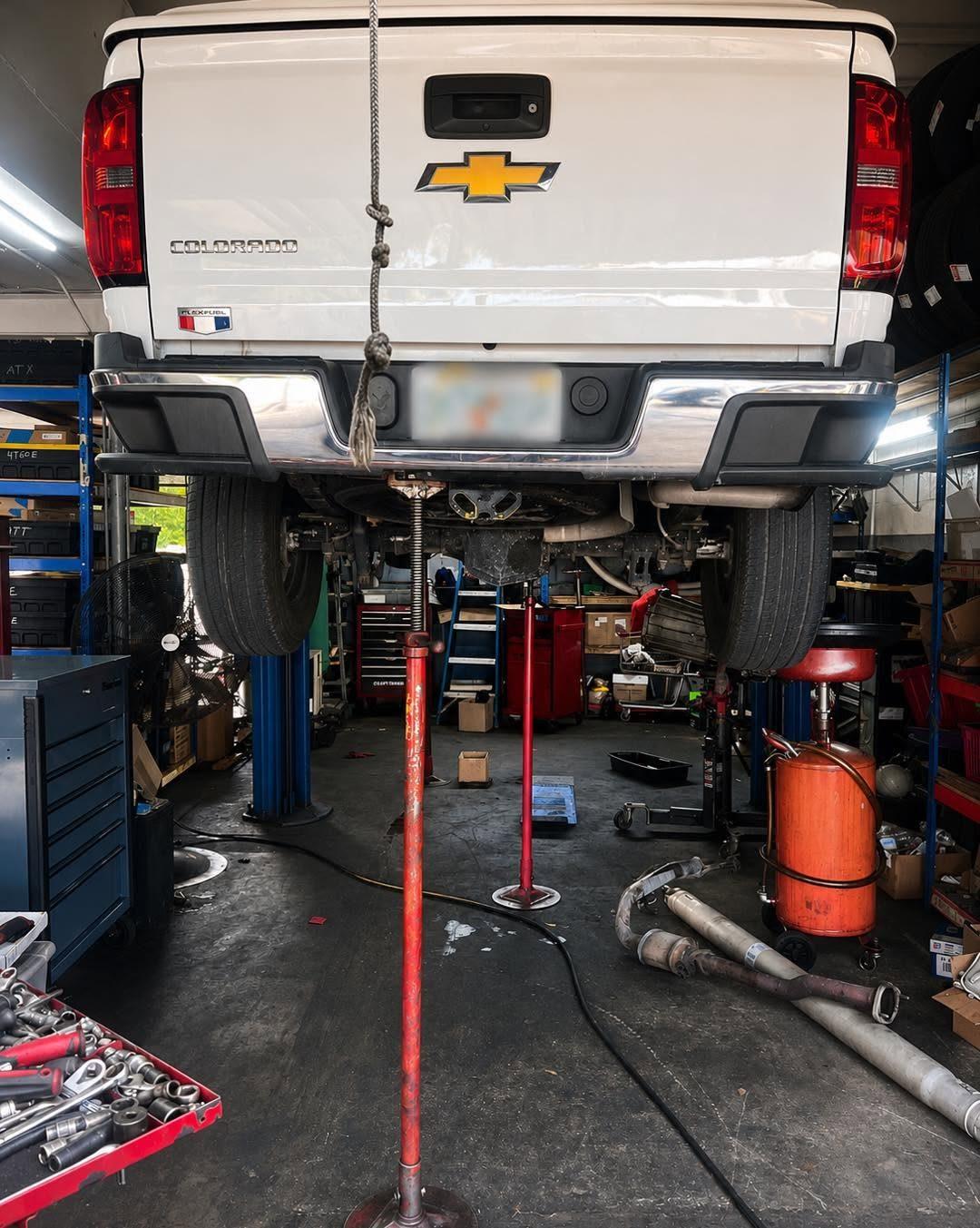
Transmission fluid has a hard job. It cools the transmission, lubricates the moving parts and supplies the hydraulic pressure that makes an automatic shift. When it breaks down, the transmission runs hotter, shifts worse and wears faster.
Here in South Florida, fluid gets a tougher workout than in a lot of places. We have heat most of the year, long crawls on I-95 and I-595, and plenty of trucks pulling boats and trailers. All of that adds up.
Why heat is the main enemy
Heat is the biggest reason transmission fluid wears out. As fluid gets hot again and again, it slowly oxidizes. It loses its ability to protect parts, it can leave varnish on the valve body, and it no longer helps the clutches apply smoothly.
The transmission makes much of its own heat, especially in the torque converter when the car is moving slowly. The fluid carries that heat to a cooler, which is often built into the radiator or mounted in front of it. At highway speed, plenty of air flows through. In stop-and-go traffic on a hot afternoon, with the AC running, much less air moves through and the fluid runs hotter.
Low fluid makes all of this worse. With less fluid in the system, the same heat is carried by a smaller amount of fluid, and it breaks down faster. That is why even a small leak is worth fixing.
Driving that counts as severe service
Many owner's manuals include a severe service schedule with shorter maintenance intervals. The conditions listed often include:
- Heavy stop-and-go traffic
- Driving in hot weather
- Towing a trailer or boat
- Carrying heavy loads
- Lots of short trips or long idling
- Delivery, rideshare or other work use
A lot of Broward drivers check several of those boxes every week. If that is you, the severe schedule is probably the one to follow. Some manufacturers describe their fluid as lifetime fluid under normal use, but normal use may not describe how your car is actually driven.
Signs your fluid is worn out
- Fluid that is dark brown or black instead of red or pink. Some fluids start out a different color, so compare it to what is normal for your car.
- A burnt smell on the dipstick.
- Harsher or slower shifts than before.
- Shudder at steady, light throttle on the highway, which can come from the torque converter clutch and is sometimes linked to worn fluid.
- Lots of debris in the pan, which a shop will see during a service.
Many newer cars do not have a transmission dipstick. In that case, the fluid has to be checked by a shop, often with the car on a lift and the fluid at a specific temperature.
Fluid change or flush?
A basic fluid service drains the pan, replaces the filter if the transmission has a serviceable one, installs a new pan gasket and refills with fresh fluid. This only replaces part of the fluid, since some stays in the torque converter and cooler lines.
A flush, also called a fluid exchange, replaces most of the old fluid. It can be a good choice for a transmission that has been maintained. On a high-mileage transmission with no service history and very old fluid, talk with your technician about the best approach first. Either way, the shop should use the exact fluid type your manufacturer calls for.
A fluid service is also a good time to catch small problems. The technician can check for leaks, look at the cooler lines and see what is in the pan. A light layer of fine material on the pan magnet can be normal wear. Larger metal pieces or a lot of friction material are not, and they are worth talking about.
Simple habits that help
- Service the fluid on the severe schedule if you drive in heavy traffic, tow or work the vehicle.
- Fix leaks early. Low fluid runs hotter and wears parts faster.
- Keep the radiator and cooler clear of leaves and debris.
- If you tow, ask about an auxiliary transmission cooler.
- Watch the transmission temperature gauge if your vehicle has one.
At Downtown Transmissions, a fluid service includes a look at the old fluid and the pan so we can tell you if we see signs of trouble. If everything looks healthy, we will tell you that too.
Due for a fluid service, or not sure? Call (954) 764-5060 or bring your car to our Plantation shop on State Road 7, Monday to Friday, 8 AM to 5 PM.
Quick answers
How often should I change my transmission fluid in Florida?
Start with your owner's manual and look for the severe service schedule. Heat, heavy traffic and towing usually put South Florida drivers in that group. If your manual says lifetime fluid, a shop can still check the condition and tell you whether it is due.
Is a transmission flush bad for my car?
Not by itself. On a well-maintained transmission, a flush with the correct fluid is a normal service. On a high-mileage unit with very old fluid and no service history, talk it over with your technician before choosing a method.
What color should transmission fluid be?
Most automatic transmission fluid is red or pink when new and gets darker with use. Dark brown or black fluid with a burnt smell usually means it is worn out. Some CVT and specialty fluids are a different color, so check what is normal for your car.