
Maintenance · 4 min read · September 23, 2026
Drove Through Flood Water? Check Your Transmission
Deep water can get into your transmission without you knowing. Here is how it happens, the signs to look for, and what to do right away.
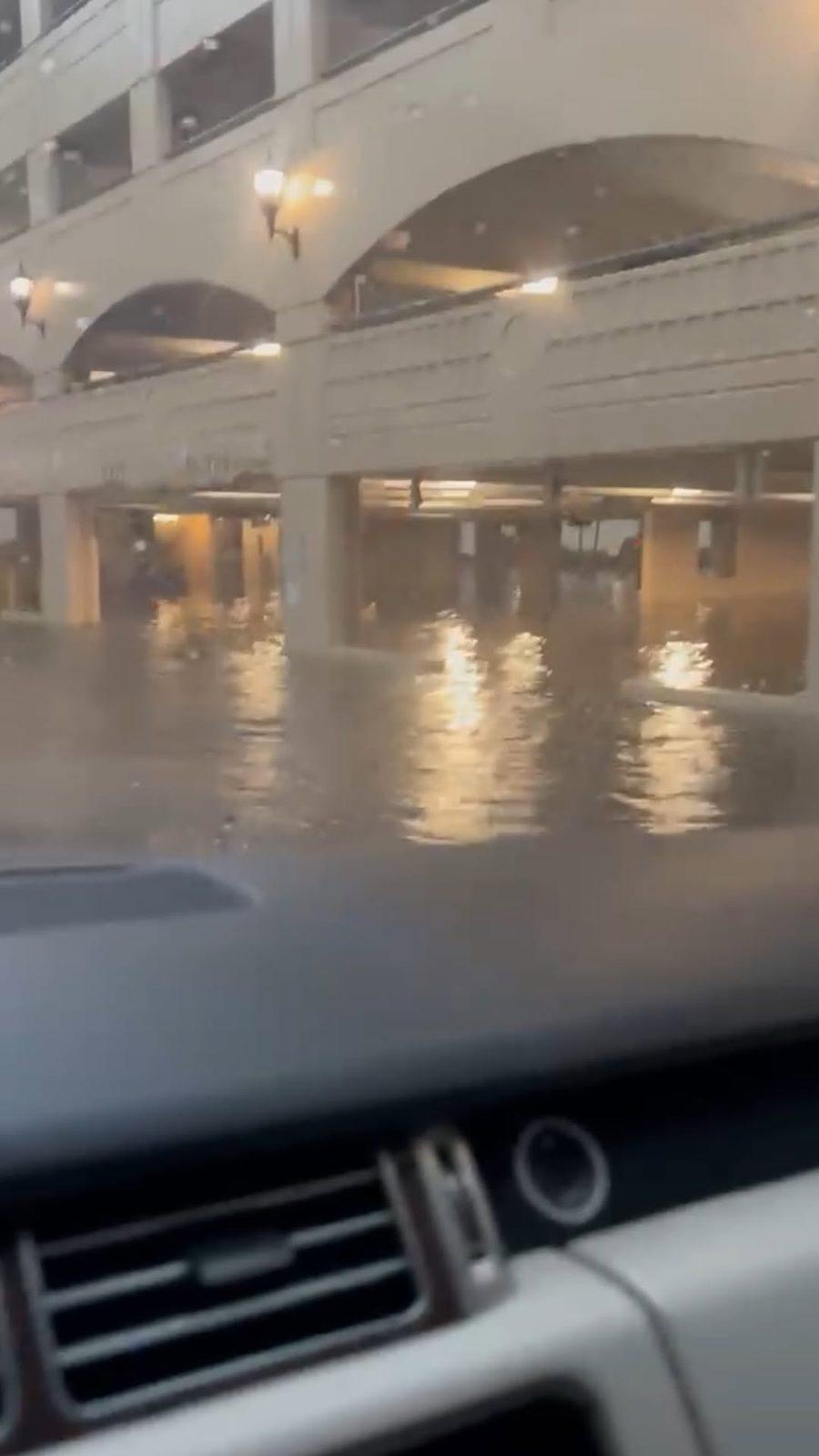
South Florida storms can turn a normal street into a lake in minutes. Afternoon downpours, king tides and tropical systems all flood roads across Broward. In some low-lying neighborhoods, king tides can flood streets even on a sunny day. If you drove through deep water, your engine is not the only thing at risk. Your transmission can take on water too.
If water did get in, acting quickly can sometimes save the transmission. Waiting usually cannot.
How water gets into a transmission
Transmissions have a vent, sometimes called a breather, that lets air in and out as the fluid heats up and cools down. The vent usually sits up high, but in deep water it can end up below the surface. When a hot transmission hits cool water, the air inside contracts and can pull water in through the vent. Water can also get past worn seals. This is why driving into deep water right after a long, hot drive carries more risk than crossing it with a cooler car.
Differentials and transfer cases on trucks and SUVs have vents too, so they can take on water the same way.
Why water is so harmful
- Water mixes with the fluid and ruins its ability to lubricate and cool.
- It can weaken the bond that holds friction material on the clutch plates, which can lead to slipping.
- It causes rust on internal steel parts and bearings.
- It can damage wiring, connectors and the transmission computer.
- Salt water from storm surge or tidal flooding speeds up corrosion.
The damage often does not show up right away. A transmission with water in it may shift fine for days or weeks before it starts slipping or failing. Water usually does not dry out of a transmission on its own. It stays mixed in the fluid until the fluid is replaced.
Signs water got in
- Fluid on the dipstick that looks milky, foamy or pink like a milkshake
- A fluid level that is higher than normal
- Slipping, harsh shifts or new noises after the flood
- A new warning light or transmission code
- Whining or grinding from the axles on trucks and SUVs, which can point to water in a differential
Many newer cars do not have a transmission dipstick. If yours does not, a shop can check the fluid for you. While you are at it, check the engine oil too. Milky oil can mean water got into the engine, which is its own serious problem.
What to do after driving through high water
- Pay attention to how the car drives for the next several days.
- Check the transmission fluid if you have a dipstick, looking for a milky or foamy look.
- If the water came up near the bottom of the doors, or the car sat in water, have the transmission, differential and transfer case fluids checked soon.
- If you find water, stop driving and get the fluid dealt with right away.
When water is caught early, a shop may be able to flush the transmission several times with fresh fluid until the water is gone, then keep an eye on it. If the clutches or electronics were already damaged, a rebuild or replacement may be needed. A diagnosis tells you which situation you are in. Tell the shop how deep the water was, how far you drove through it, and whether it was fresh or salt water.
How to avoid it next time
- Do not drive through water when you cannot see the road surface or the curb. Depth is hard to judge, especially at night.
- Moving water is more dangerous than it looks and can push a car off the road.
- Take a longer route around flooded streets when you can.
- If you must cross shallow water, go slow and steady so you do not push a wave into the engine bay.
- If you park in an area that floods, move the car to higher ground, like an upper level of a parking garage, before a big storm arrives.
A quick fluid check after a flood costs far less than a failed transmission a month later, and it gives you peace of mind for the rest of storm season.
Drove through high water? Call Downtown Transmissions at (954) 764-5060 or bring the car to our Plantation shop on State Road 7 for a fluid check and inspection.
Quick answers
How do I know if water got into my transmission?
Milky, foamy or pink milkshake-colored fluid is the clearest sign. A higher than normal fluid level can also point to water. If your car has no dipstick, have a shop check the fluid after any deep water crossing.
Can a transmission with water in it be saved?
Sometimes. If it is caught early, several fluid flushes can remove the water before it causes lasting damage. If the car has been driven a lot with contaminated fluid, internal damage is more likely.
Does water affect manual transmissions too?
Yes. Manual transmissions, differentials and transfer cases all have vents and can take on water. Their fluid should be checked after a deep water crossing as well.