
Symptoms · 4 min read · September 23, 2026
Check Engine Light and Transmission Trouble Codes Explained
A transmission code does not mean your transmission is finished. Here is what the most common codes mean in plain English and what to do next.
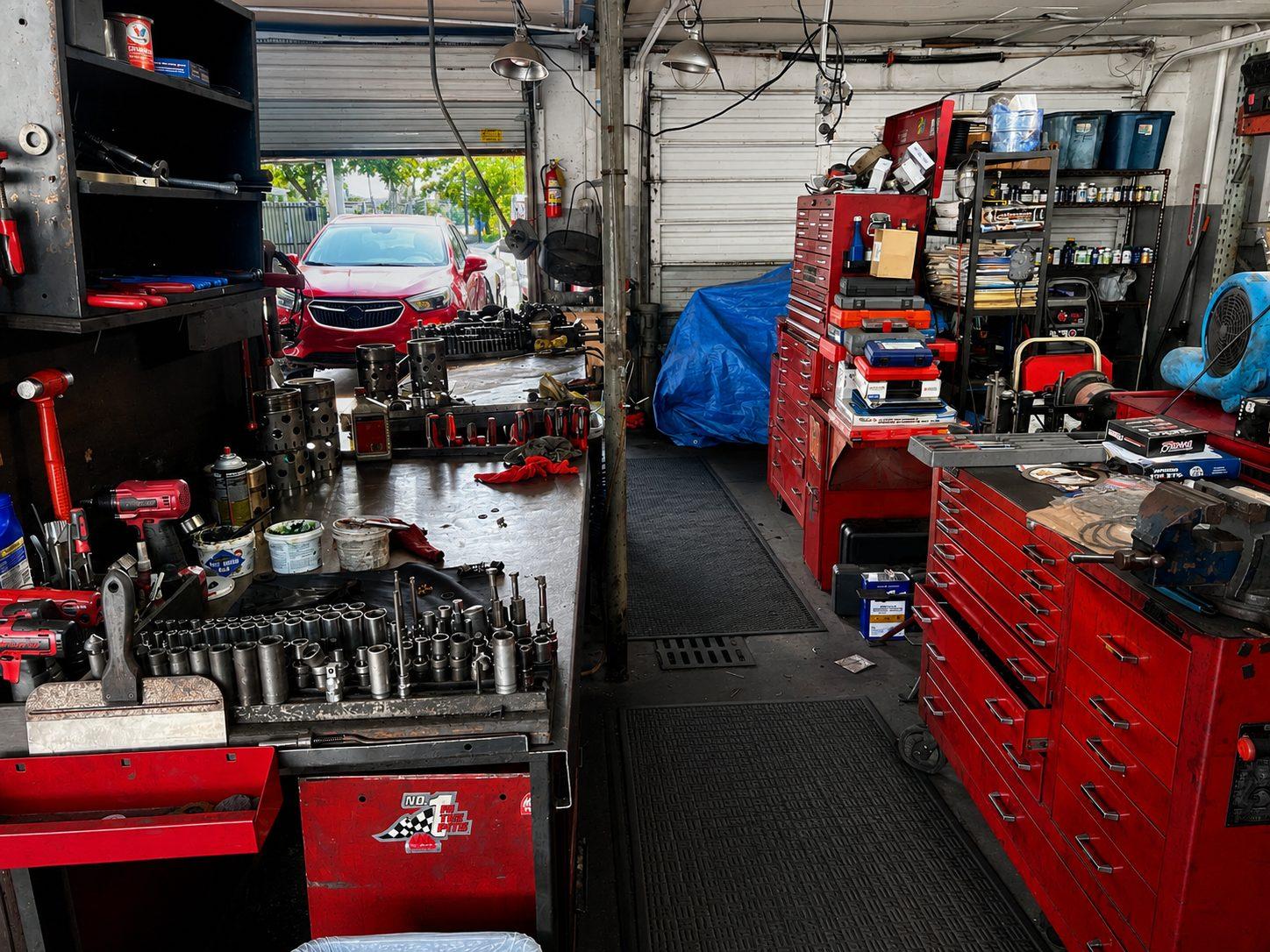
When the check engine light comes on and a code reader shows a transmission code, it is easy to assume the worst. A code does not mean the transmission is finished. It means the computer saw something outside of normal and saved a note about it.
Below are some of the most common generic OBD-II transmission codes, what they mean in plain English, and what can cause them. The exact wording can differ a little from one brand to another, and manufacturers also use their own codes.
How transmission codes work
Most modern automatics are run by a computer, often called the transmission control module or TCM. On some vehicles it is built into the engine computer. When it detects a problem, it stores a code and may turn on the check engine light. Many transmissions also go into limp mode, often holding one gear, to protect themselves until the problem is fixed.
Codes that start with P0 are generic and mean the same basic thing across brands. Codes that start with P1 are generally manufacturer-specific and need that brand's information to read correctly.
Common transmission codes
P0700: Transmission control system malfunction
This one is a messenger. It means the transmission computer has stored its own code and asked the engine computer to turn on the check engine light. The real details are in the transmission computer, so the next step is a scan tool that can read it.
P0715: Input or turbine speed sensor circuit
The computer is not getting a good signal from the sensor that measures how fast the transmission input is spinning. Causes include a failed sensor, damaged wiring, a bad connector or, less often, an internal problem. Without this signal, shifting can get harsh or erratic.
P0730: Incorrect gear ratio
The computer compares input speed to output speed and knows what the ratio should be in each gear. When the numbers do not match, it sets this code. In plain terms, something is slipping. Low fluid, worn clutches, solenoid or valve body problems and sensor issues can all cause it. Related codes P0731 through P0735 point to first through fifth gear, and P0736 points to Reverse.
P0740 and P0741: Torque converter clutch
The torque converter has a clutch that locks up at cruising speed to save fuel and reduce heat. P0740 points to a problem in the electrical circuit that controls it. P0741 means the clutch is not locking up the way it should, often described as performance or stuck off. Causes range from a solenoid or wiring issue to worn fluid, a valve body problem or a failing torque converter.
P0750: Shift solenoid A
The computer uses solenoids to control shifts. P0750 points to a problem with shift solenoid A or its circuit. Which solenoid is called A depends on the transmission. The cause may be a failed solenoid, a wiring fault or a connector problem. Related codes cover the other shift solenoids.
P0711 and P0218: Fluid temperature
P0711 means the reading from the fluid temperature sensor does not make sense, a range or performance problem. P0218 means the transmission fluid got too hot. Take an overheat code seriously. Low fluid, a clogged cooler, heavy towing and long stop-and-go crawls in summer heat can all push temperatures up.
Why a code is not a diagnosis
A code tells you what the computer noticed, not what broke. P0730 on two different cars can have two completely different causes. Replacing parts based only on a code is how people spend money and still have the problem.
A proper diagnosis adds a fluid check, live data, a road test and electrical testing. That is how a technician tells the difference between a bad sensor, a damaged wire and real internal wear. Clearing the code without fixing the cause usually just means it comes back.
What to do when a transmission code shows up
- Write down the code and how the car is behaving.
- Check the transmission fluid if your car has a dipstick.
- Avoid hard acceleration and towing until it is checked.
- Do not just clear the code and keep driving.
- Get a scan that reads the transmission computer, plus a road test.
Got a transmission code? Call Downtown Transmissions at (954) 764-5060 or bring the car to our Plantation shop at 631 S State Rd 7 for a full scan and diagnostic.
Quick answers
Can I keep driving with code P0700?
P0700 means another transmission code is stored, so the answer depends on what that code is and how the car drives. If it shifts normally, get it scanned soon. If it is slipping, stuck in one gear or in limp mode, get it checked before driving further.
Will clearing the code fix the problem?
No. Clearing a code only erases the record. If the cause is still there, the code will come back, and you lose information that helps the technician.
Does a transmission code mean I need a new transmission?
Not necessarily. Many transmission codes are caused by sensors, solenoids, wiring or low fluid. Only a proper diagnosis can tell you whether the problem is outside the transmission or inside it.